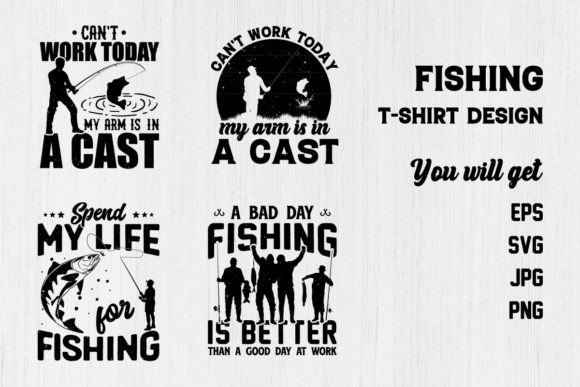
A Fishing Design Built for Embroidered Realism
Opening the Fishing T-shirt Design - Fishing SVG file, the first impression is one of clean, illustrative charm. This isn't a hyper-realistic photograph translated into stitches; it's a graphic with a friendly, approachable personality. The layout feels balanced, with the central motif commanding attention. For an embroidery designer, that’s a promising start—it suggests the design has been conceived with visual impact in mind, which is half the battle when a finished product needs to pop on a shelf or in an online mockup.
The Natural Habitat for This Embroidered Design
This design doesn’t scream "t-shirt only." Its mood is versatile. I immediately picture it on a heavyweight cotton tote bag for a fisherman, or as a subtle, well-placed accent on the chest of a classic sweatshirt. The theme is specific, but the execution is broad enough that it could become a beloved personalized gift—think a father’s birthday, a retirement celebration for a colleague who loves the lake, or a "grandpa’s fishing buddy" piece on a baby’s romper. For a small shop owner, this kind of design is a solid asset; it taps into a niche passion without feeling like a generic stock image.
From Digital File to Stitched Fabric: The Real-World Test
In practical embroidery situations, a design like this lives or dies by its detail level. The concern is always about how smaller elements will translate. When I consider running this embroidery file for a client project—say, a custom apron for a boutique or a set of pillow covers for a cabin—I’m thinking ahead. On a textured fabric like denim or canvas, the solid shapes should hold up beautifully, creating a bold statement. On a thinner fabric, like a standard tee or a kitchen towel, the stitch density will be crucial. Areas that are too dense can stiffen the fabric; too sparse, and the design loses substance.
This is where the real craft comes in. Before committing to a batch of embroidered patches or custom apparel for my craft business, I would test it on scrap fabric first. I’d check the thread color contrast, especially if I plan to offer it on both light and dark fabric backgrounds. A design with good negative space and clear shapes usually fares well, but you must see it stitched. Does the hook look defined? Do the lettering elements, if present, remain legible after the satin stitch or fill stitch is applied? This step is non-negotiable for maintaining customer trust and professionalism.
Where This Design Should Be Used with Care
Confidence in a design also means knowing its limits. The Fishing T-shirt Design - Fishing SVG likely has areas of detail that demand attention. On highly curved surfaces like caps, any intricate corners or tiny elements might need slight adjustment or a reconsideration of hoop size. Embroidering onto stretchy fabric for activewear? The choice of stabilizer becomes paramount to prevent distortion. For products destined for frequent washing, like baby clothes or everyday tea towels, the longevity of the embroidery relies on robust stitch construction—testing on similar fabric and washing the sample is a smart designer’s habit.
My advice for fellow Etsy sellers and apparel decorators is to lean into the design’s strengths. It feels perfect for a relaxed, handmade product like a blanket or nursery decor piece for a fishing enthusiast family. It could be a wonderful holiday embroidery gift. But for a dense, layered garment or a project requiring minute detail on a small scale, proceed with caution and a thorough test run.
How This SVG Affects Your Finished Product's Appeal
Beyond the technical, this design impacts perception. When stitched well, it conveys stitching clarity and a sense of care. That directly boosts the perceived product value. For a creative entrepreneur, using a clean, recognizable design like this aids in brand consistency if you cater to an outdoorsy or gift-focused market. Its giftability is high because it’s personal without being overly sentimental. In a printable mockup for your digital product listings or on the actual finished product at a craft fair, it has the recognition factor to quickly engage a buyer’s eye.
Practical Notes Before You Hoop This Design
Here’s the checklist I run through in my own workshop before a design like this goes live in my commercial embroidery projects or becomes part of my digital embroidery file offerings:
- Always, always stitch it out on scrap fabric that mimics your final product material.
- Review the design in both black and white mockups to judge its form independently of color.
- Confirm the physical hoop size you’ll need. Does it fit comfortably within your machine’s common hoops?
- Inspect the smallest details in the stitched sample. Are they clear or do they blur into a thread mass?
- Consider the fabric texture. A nubby linen versus a smooth polo shirt will present the same file differently.
- And crucially: confirm licensing before selling any finished items. The product description mentions use for yourself, gifts, and your POD business. This suggests flexibility, but as a professional, I never assume. I verify the terms to ensure my small shop product or craft business items are compliant.
The Fishing T-shirt Design - Fishing SVG strikes me as a dependable design asset. It has the visual personality to work in a variety of embroidery projects, from a simple personalized gift to a line of small business merchandise. Its success, however, rests entirely on the embroiderer’s practice—testing, adapting, and choosing the right fabric partner. With that diligence, this design can stitch up into something that feels both professionally made and genuinely heartfelt, which is exactly what our clients and customers are looking for.