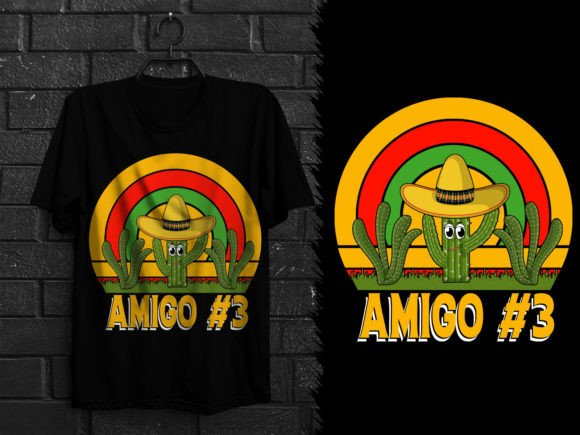
A Hands-On Look at the Amigo 3 Funny Mexican T Shirt Design
When you’re in the business of embroidery, a good design isn’t just about aesthetics; it’s about practicality. It’s about how it translates from screen to stitches, and ultimately, how it feels on a finished product. Let’s talk about the Amigo 3 Funny Mexican T Shirt design from that perspective. As a designer who regularly turns digital files into physical goods, my first question is always: “How will this perform in a real project?”
The Personality and Potential of This Humorous Design
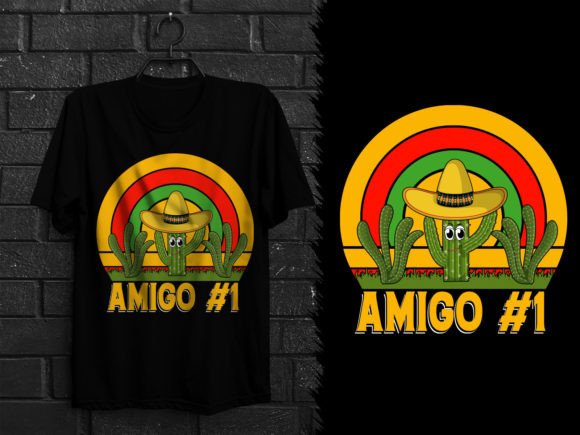
My immediate impression of the Amigo 3 Funny Mexican T Shirt design is one of playful, lighthearted charm. The theme leans into a fun, celebratory mood, which instantly suggests a specific kind of project. It doesn’t feel overly complex or burdened with minute details that might vanish under stitches. The layout appears straightforward, which is a huge plus for embroidery. A clean, bold visual personality like this means it’s likely to maintain its clarity and impact after stitching, whether it’s on a child’s t-shirt or a weekend tote bag.
Thinking through its natural home, this design screams custom apparel. It feels perfect for a relaxed, personal gift or a piece of small shop merchandise aimed at a casual, fun-loving audience. I can instantly picture it on a sweatshirt for a friend, a tote bag for a beach day, or even as a standout feature on a kitchen apron for someone who loves to entertain. The humor is broad enough to be universally understood, which is a key factor for craft fair products or Etsy listings where quick, positive customer engagement is crucial.
Where the Amigo 3 Design Thrills and Where It Needs Care
In practical embroidery situations, this design’s strength is its likely simplicity. For projects like baby clothes or nursery decor, where you want a cheerful motif without overwhelming the small fabric area, it could be a wonderful fit. As a potential embroidered patch, its bold theme would make it highly recognizable and easy to apply. I’d also consider it for holiday gifts like personalized pillow covers or tea towels—items where the design serves as a fun accent rather than the entire focus.
However, as with any machine embroidery design, there are places to proceed with caution. Without knowing the exact stitch density or file construction from the store description, I’d be particularly careful on stretchy fabric like standard t-shirts. High density can cause puckering. Dark fabric requires thoughtful thread color contrast planning; you might need to test a few combos on scrap first. The design’s success on curved surfaces like caps would depend entirely on its size and detail distribution—small, intricate elements might not translate well on a curved seam.
Any tiny lettering or very detailed corners hinted in the graphics would need a close inspection in your software before hooping. For products that need frequent washing, like baby embroidery on play clothes, ensuring the stitch structure is secure and using the proper stabilizer is non-negotiable for longevity.
The Real-World Impact on Your Business and Customers
Using a design like Amigo 3 Funny Mexican T Shirt affects more than just the stitch pattern. It influences your product’s entire vibe. When stitched well on a high-quality finished product, it enhances visual appeal through clear, confident stitches. That clarity builds customer trust—they see a professional, clean result, not a muddled mess. For a craft business, this consistency in handmade presentation is key to building a reputation.
The design’s friendly humor boosts its giftability. It feels personal and thoughtful without being sentimental. For creative entrepreneurs, this can open doors to markets like personalized gifts for birthdays or casual celebrations. It’s not a formal logo; it’s an expression of personality, which helps with buyer engagement in digital product previews and printable mockups. A customer can instantly imagine it on a product, which is half the battle in selling digital embroidery files or finished goods.
Practical Notes from the Embroidery Worktable
Before you commit this design to a client project or your next batch of small shop products, here’s my standard workflow advice. First, test the design on scrap fabric. Use both a light and dark scrap to truly check thread color contrast. Run it through your machine to review stitch density and see if any areas are too dense for your intended fabric—like a thin t-shirt versus a sturdy tote bag fabric.
Confirm hoop size compatibility. Does the design need a larger hoop for stability, or can it fit into a smaller one for items like baby embroidery? Inspect small details in the stitch preview. It’s also wise to test it in black and white mockups to see if the silhouette holds up without color—this tells you about its fundamental shape strength.
Crucially, use proper stabilizer for your chosen application. A design with fills, even if they seem simple, can behave differently on textured fabrics. Finally, and this is paramount for commercial embroidery and digital product sellers: confirm licensing before selling finished items or digital products. The store description doesn’t specify terms, so you must verify whether this embroidery file is intended for personal use, commercial use, or both. This protects your craft business and maintains your professionalism.
Final Thoughts on This Graphics File
The Amigo 3 Funny Mexican T Shirt design, from a practical embroidery standpoint, appears to be a strong candidate for projects that benefit from a dose of uncomplicated fun. Its value lies in its likely ease of application and broad appeal. For apparel decorators and makers looking for a reliable, cheerful design asset for custom apparel, patches, or holiday embroidery gifts, it warrants a closer look in your editing software. Remember, the best embroidery project starts with a design that not only looks good on screen but stitches with confidence on fabric. Always do your homework, stitch a test, and you’ll know exactly where this amigo fits into your lineup.